
 |
| WiFi Smart Plugs |
I have considered trying to make my apartment a little smarter ever since I moved in. Unfortunately, it is not so easy to just start changing things considering I am renting. For instance, I cannot just start ripping outlets and switches out to swap them with smart switches, and I am definitely not going to swap out the refrigerator, stove, or microwave of a place I do not own. So, what did I do? Nothing for the first month.
Unfortunately, that desire for a smart home that I have had since I first started renting years ago never went away. So, I did the easiest and cheapest upgrade I could do: I bought some smart plugs to work with my Home Mini. Only two days in, let me just say that I absolutely love it.
First off, smart plugs are dirt cheap in terms of smart home tools, and if you spend a lot of time on eBay like I do, it is even cheaper. For less than $20, I got three smart plugs to try out. If you don't know, smart plugs just plug in to the outlet and then the appliance you want to control with them is just plugged in to them. As for the setup, easy as can be. Download the app, name the plugs, enter WiFi info, and good to go. However, I wanted to go one-step further to use them with Google Assistant so I just went in to the Home app and followed the instructions.
Now, you may be thinking that seems like unnecessary work just to be able to control a couple things with your phone, but I can already tell the how useful these little things can be. For instance, I already have routines set up with my Assistant. Every morning, I say "Hey Google, Good Morning", and she gives me the weather, calendar, traffic, and time to work. At night, my "Good Night" routine silences my phone, tells me my morning reminders, and plays me some music. These routines are very convenient.
However, along with the routines that Google does for me, I have some manual things to do. In the mornings, I have to shut my fan off in the bedroom and turn the living room lamp on (no overhead lighting), and in the evening, I have to do the exact opposite. Easy tasks? Absolutely, but why not make Google do it right?
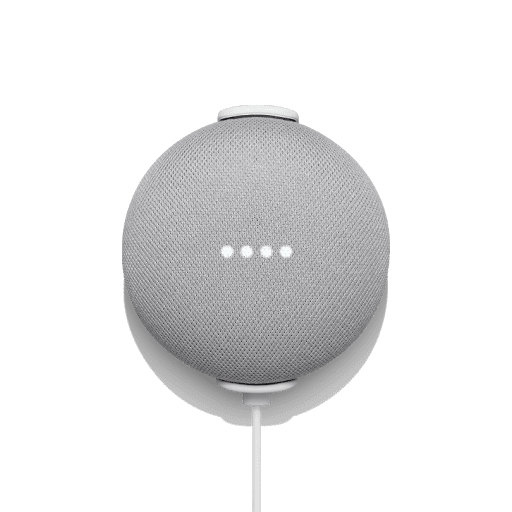 |
| Routines with Mini are easy to use |
My routines the last two days have been even better. "Hey Google, Good Night" still does everything I need, but now the lights turn off and the fan kicks on; I didn't have to do anything. This morning, Google turned the fan off and the light on for me. The convenience of these little tasks just shows the potential of home convenience and automation.
There is so much more than just routines for these little plugs that make them worth the purchase. Dd I forget to tell Google I was leaving and forget to turn the light off? Oh well, I can shut the light off from the car. I even installed the 3rd one on the air conditioner so if I forgot to turn it off on my way out the door, I can still avoid a ridiculous electric bill. Even better, I can turn it on on my way home from work so the room is nice and cool when I get home.
The potential for home automation is tremendous, and I certainly intend to get in on the action. My smart home may be small and minimal right now, but it has certainly made things more convenient already. There is no doubt that it was worth the small investment, and I will certainly make the investment in my future home for smarter living.
Comments
Post a Comment