
We should encourage kids to spend time with technology, not dissuade it


Image result for kids and coding
Apps like Tynker and Grasshopper teach coding to kids and beginners
Let's face it: technology is not going to go backwards. For instance, 20 years from now, we will not be suddenly sitting at home playing Minesweeper on Windows ME. In fact, most industries and products are moving more toward the digital world than the physical world. It is because of this that I often, simultaneously, laugh and cringe when I hear people complain about the amount of time that their children spend with "devices".

Now, I get it. Parents do not want their children spend every second of every day with their face in front of a screen. Not only does that prevent them from having some positive experiences, but it also is not exactly going to keep them from getting fat; as you know, I am very much about preventing childhood obesity. However, that does not mean that time spent with technology is not a valuable, if not more valuable, than the time they spend "playing outside".
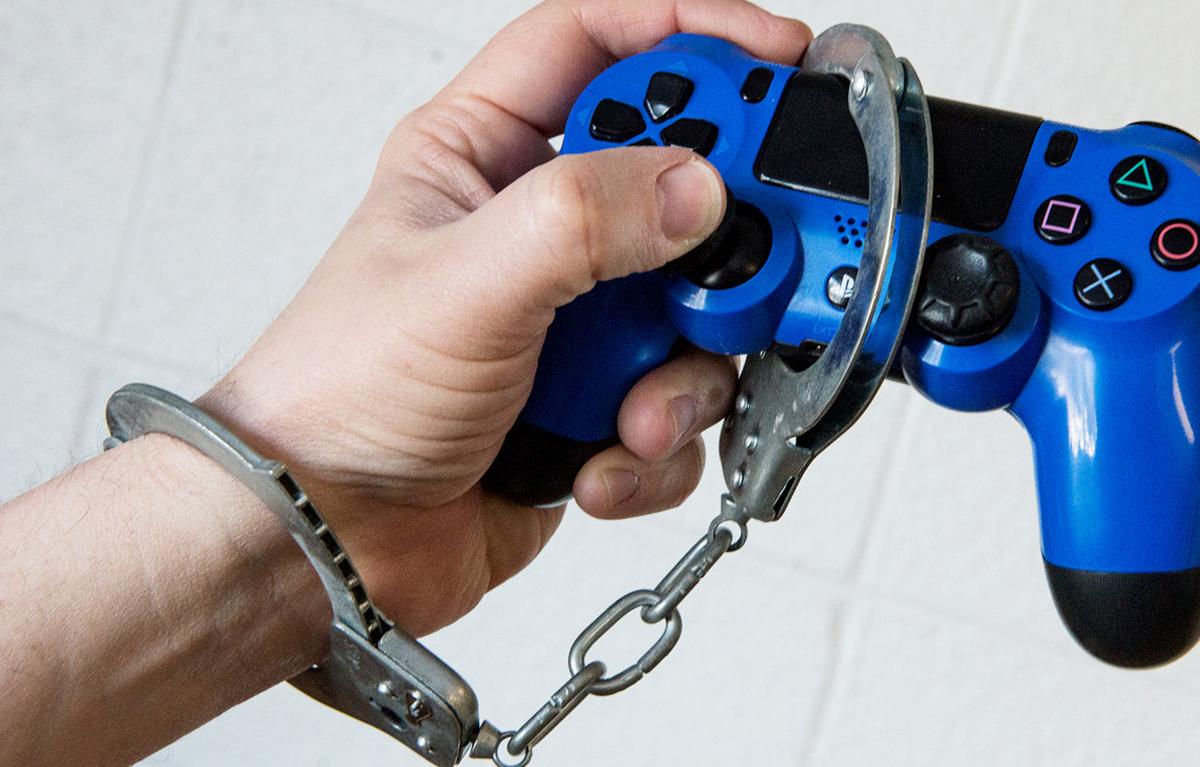
Image result for video gaming
Video games are oftern stigmatized as
 harmful and addictive despite various benefits
We might as well start with the elephant in the room: video games. Kids (and many adults, myself included) love playing video games. They are entertaining, eye-catching, and a great way to spend time with friends actually. In addition, much like a lot of sports, they have been shown to increase hand-eye coordination as well as memory and cognitive function. It is has also been shown to help in aiding depression and improving attention. Are there negative aspects to video gaming? Absolutely, as there are with anything that someone spends too much time doing. However, to say that there are no benefits to video games would be grossly incorrect.*

However, even more important than video gaming and possible benefits is the exposure to technology during developmental years. Much of the world today is run digitally and online; the movie is quite vulgar, Why Him? offers a great bit of wisdom hidden in the plot. While the main character runs a printing company, his son wants to modernize. In an excellent cameo, Adam Devine tells the kid to "learn to code", and that might have been the greatest possible advice. If you would like more inspiration, look at The Internship. The future is digital, and computers/phone/tablets are necessary tools for that future. By putting devices in the hands of children, we are providing them exposure to tools they need to master to survive in the future professional world. Think of it this way: we do not take away spoons from children as we know they will need the ability to use them in the future. Now imagine if you had encouraged them to understand spoons at a deeper level such as the slope of the basin as well as the ideal angle and structure of the handle?

Is the spoon comparison an oversimplification? Absolutely. There are obviously vast differences between a spoon and a computer, but the concept is still the same. When we hand devices to children, we should not already planning when we are going to take it away. We should be encouraging them to use it, understand it, and delve deeper in to it. Let them explore how to change the background, download (free) apps, and adjust the sounds, and of course, have a knowledgeable person available for when they inevitably fuck it all up the first couple times. Even better, introduce them to apps like Grasshopper that try to make it fun for them to learn to code.

Image result for kids and coding
STEM careers are future-proof and essential
I may not be a parent yet, but I am also not naive enough to think that devices are always bad and basketballs are always good. Kids should be exposed to plenty of both, and we should encourage them to use both. While I have always had a passion sports, I also understand that the chances of my children joining the PGA Tour are very remote (I am still going to try for that though). However, it is certainly not crazy to think that my kid could be an excellent programmer that could become a big name in the digital sphere.

*For more reading: https://www.medicalnewstoday.com/articles/318345.php

Comments

Popular posts from this blog

Are Chromebooks right for Mom?

With Mother's day coming up, many people will be looking for that perfect gift which many times can be a new laptop. However, there are thousands of options based on size, color, storage capacity, ram, et cetera. The most important starting point is operating system. Now, if you have a ton of money or just really love your mother (joking!), you could opt for the Macbook or iPad. They are excellent "computers" for everyday tasks that would be perfect, but unfortunately, that will set you back a few months of rent or mortgage or whatever. So, while I have no issue with Apple, and I actually love the simplistic design, I may advise against that. So, that leaves you with either the old reliable Windows PCs of which there are many or the somewhat newcomer that is the Chromebook. Now, Chromebooks tend to be cheaper and run faster, but are they really the right choice for Mom (or you if you choose to treat yourself)? The first question to ask is, "what do you do with ...

Checking in on me?

Admittedly, it has been a slower news day in my tech sphere, and I have not had a ton of time to do more research. But I find myself wondering tonight: how many people check in, and do you think it is a good idea to do so? While I understand privacy concerns, I leave my life mainly open for the public. I tend to share my life with the world through Facebook, Twitter, Instagram, etc. At any given time, those in my circle on social media know where I am, what I am doing, and who I am doing it with. Why do I do this  you ask? Is it vanity of making others jealous, or is it simply to let others know? Well, honestly, it is a little both. The most important issue others see with this lifestyle is that I am letting the entire world know where I am. I get the hesitation with checking in on social media. For instance, if someone would wish to harm me for some strange reason, they would know where to find me. Also, if someone would desire to rob me, they would know that I am not home. T...

In-display sensors or facial scanners: which will take off?

The fingerprint sensor may be moving back to the front...under the screen. Could this be the next big trend in mobile technology (see previous entry about current trend)? Or, will companies move the Apple way and opt for facial recognition for security? With the debut of the iPhone X, Apple shifted away from the fingerprint sensor and debuted FaceID. Utilizing (arguably) some of the most advanced cameras and sensors, the iPhone X negated the need for fingerprint, bio-metric security by using 3D facial recognition to verify identity. In doing so, the home button vanished from the iPhone along with the ability to scan fingerprints. Several months later, at CES, Vivo demoed the first phone using in-display fingerprint scanner technology ; the idea being to remove bezels on the front as well remove the sensor from the back of the body. Prior to CES, many believed that Samsung would be the first to debut the technology, but they were held back by mass-producing and technological restra...