
The Royal Wedding demonstrates how far we have come as a technological society

Image result for harry and meghan
IMAGE: The Australian

It would be insane for me to try avoiding talking about the royal wedding considering it took over the world today; I will admit that I did indeed watch it. So in the spirit of the royal wedding, I think it is important to talk about how large of an impact technology and the media had on this day throughout the world.

Let's take a look at how the marriage of the Queen and Prince Phillip would have been covered. Newspapers would have covered the event a little before, and there would have been a headline the day after. Of course there would have been some black and white grainy photos of the occasion throughout the day as well as during the ceremony, and it was broadcast live on BBC radio. But for the most part, people throughout the world would have to wait to read the papers or listen through word-of-mouth to hear about it; there was definitely not a feeling of inclusiveness.
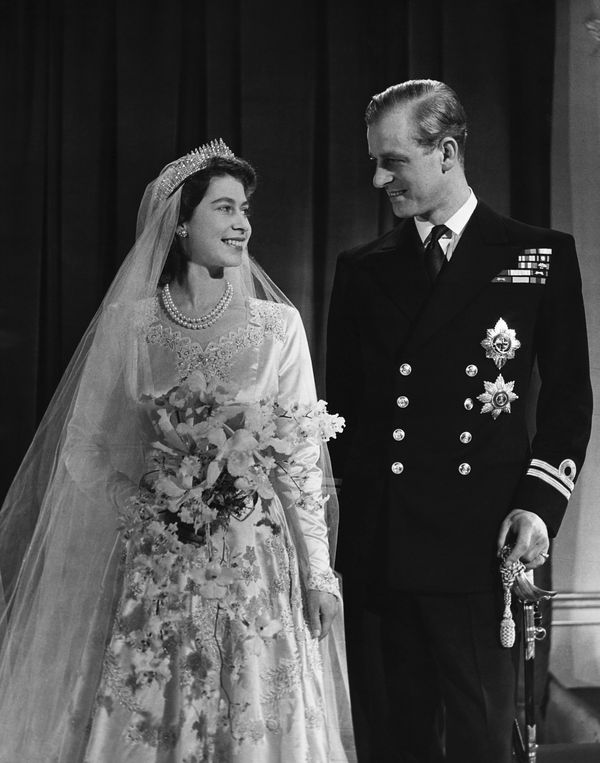
Elizabeth and Philip were distant cousins through&nbsp;her&nbsp;<a href="http://www.businessinsider.com/queen-elizabeth-and-p
IMAGE: Hulton Deutsch

Now, let's fast forward to the wedding of Prince Harry and Meghan Markle. This event has been headlines for months at every news outlet with daily articles and discussions. The "day of" coverage that occurred this morning had over 5 hours of live coverage on most news stations, helicopters and drones tracked every movement prior to and during the ceremony, and the actual ceremony itself was on a live broadcast on television as well as the internet  The difference between the two and how far we have come from a technology standpoint is mind blowing.

IMAGE: Danny Lawson/Agence France-Presse

Even if you had no interest in watching the royal wedding, there is no denying how much the media has impacted the world in terms of creating a worldwide connectivity that allows us all to feel included; citizens of almost every country were able to be a guest at an event that is thousand of miles away. These same advances have allowed us to "visit" countries, view keynote addresses at conferences, and even "sit" court-side at basketball events. Regardless of how much people want to condemn the media as well as fear new and exciting technology, they cannot deny the postives ways in which technology has advanced the world as well as found a way to bring people together while they are physically apart.

Are all technological advances for the betterment of society, and are all aspects of the media designed to bring us together? Of course not. However, days like today show us how far we have come from a technology standpoint...even if you decided not to get in on the royal wedding action.

Comments

Popular posts from this blog

Digital well-being is the trend of the year

Digital well-being is this year's buzzword With the keynote of WWDC officially over, it is safe to say one thing: digital well-being is the trendy topic of the year. I/O last month and WWDC have demonstrated that the key players in mobile devices (seemingly) want you to put your phone down. However, which company has the right idea in how to do it? Both iOS 12 and Android P have showcased coming features to address "digital well-being". For all intents and purposes, these words just mean that Apple and Google "want" you to spend less time on your phone; at least, that is the image they are portraying. Both iOS and Android offer new dashboards Now, how are they both doing it? While they differ in the approach, they have very similar tools. For instance, both operating systems will allow you to set timers on apps so that you can spend as much or as little times in those apps as you choose. If you go over, you get shut out of the app. In additio...

In-display sensors or facial scanners: which will take off?

The fingerprint sensor may be moving back to the front...under the screen. Could this be the next big trend in mobile technology (see previous entry about current trend)? Or, will companies move the Apple way and opt for facial recognition for security? With the debut of the iPhone X, Apple shifted away from the fingerprint sensor and debuted FaceID. Utilizing (arguably) some of the most advanced cameras and sensors, the iPhone X negated the need for fingerprint, bio-metric security by using 3D facial recognition to verify identity. In doing so, the home button vanished from the iPhone along with the ability to scan fingerprints. Several months later, at CES, Vivo demoed the first phone using in-display fingerprint scanner technology ; the idea being to remove bezels on the front as well remove the sensor from the back of the body. Prior to CES, many believed that Samsung would be the first to debut the technology, but they were held back by mass-producing and technological restra...

Checking in on me?

Admittedly, it has been a slower news day in my tech sphere, and I have not had a ton of time to do more research. But I find myself wondering tonight: how many people check in, and do you think it is a good idea to do so? While I understand privacy concerns, I leave my life mainly open for the public. I tend to share my life with the world through Facebook, Twitter, Instagram, etc. At any given time, those in my circle on social media know where I am, what I am doing, and who I am doing it with. Why do I do this  you ask? Is it vanity of making others jealous, or is it simply to let others know? Well, honestly, it is a little both. The most important issue others see with this lifestyle is that I am letting the entire world know where I am. I get the hesitation with checking in on social media. For instance, if someone would wish to harm me for some strange reason, they would know where to find me. Also, if someone would desire to rob me, they would know that I am not home. T...