Which do you prefer: browser or app?

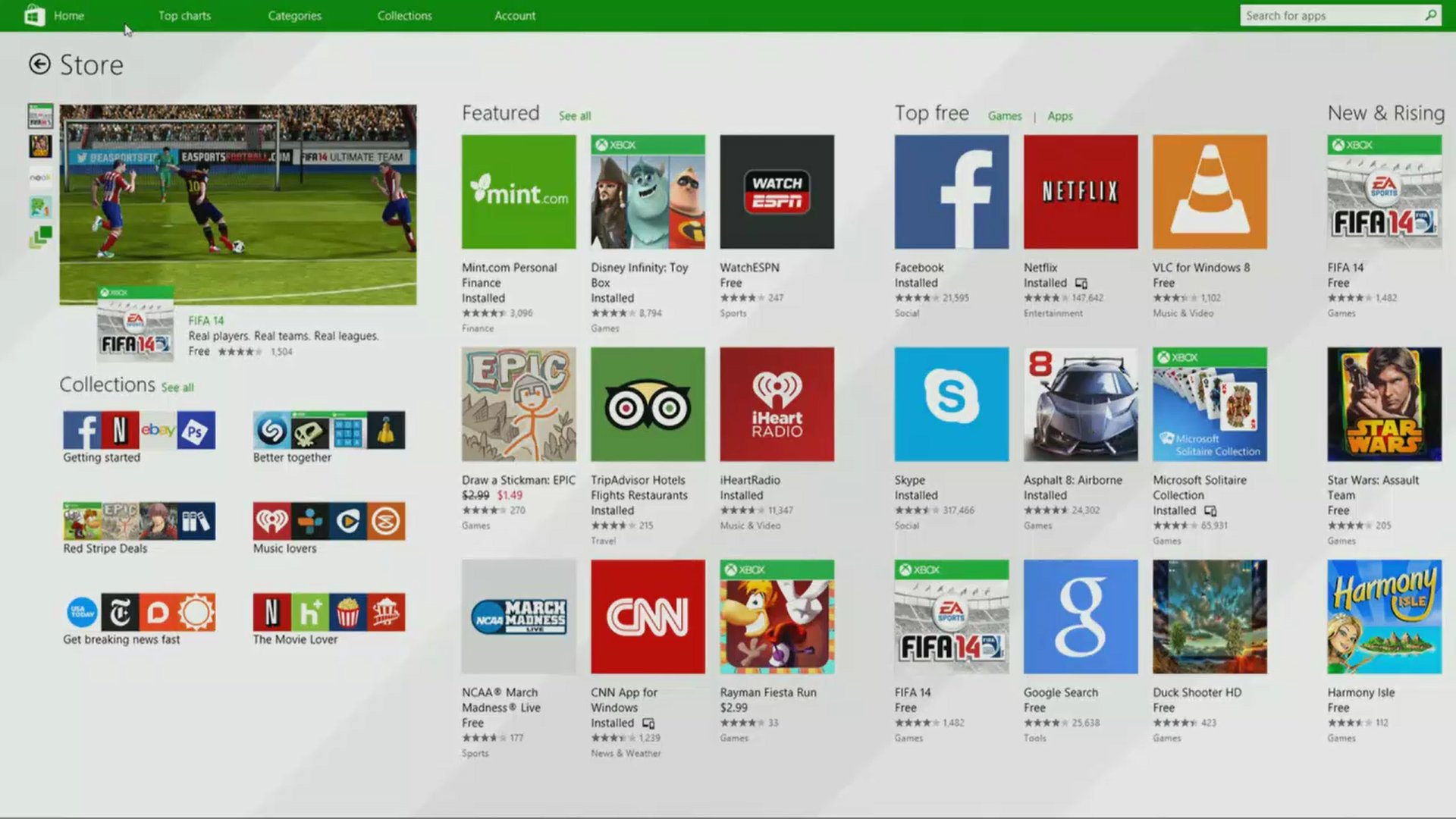
Image result for windows store
IMAGE: Softpedia


Admittedly, when I first thought about this post, I was operating under the assumption that the majority of people owned a windows PC so it would be just that operating system I would be referring to, but with Chromebooks now utilizing Android apps, this same question can be asked: Browser or App?
Image result for facebook windows store
IMAGE: ExtremeTech


For starters, let me clarify. Many of our most commonly used programs started on the web; Facebook, Twitter, Netflix, and many others have fully-functioning and well-operating websites that are perfectly suited for personal computer web-browsing. Meanwhile, on our phones and tablets, we use native applications that are custom-built for the best possible experience on those devices; we would never think to use Netflix in the browser on a phone.

With the introduction of Windows 10 and the Microsoft store, as well as the incorporation of Android apps on Chromebooks, the lines in the sand are washing away. Big names such as Facebook and Twitter now have apps that can be used on a PC natively; they can even utilize the notification center for "push" notifications much like a mobile app. However, most people use computers for web browsing only, particularly Chromebooks, which leads to the question:

Browser or App?

Obviously, on a mobile device, applications rule. When it comes to personal computing, the answer is not so clear. Many people utilize computers exclusively for web browsing so the first action someone would take is open the browser; why would someone bother opening an app when they are already in the browser? Additionally, the idea of an app on a computer is still an oddity for anyone that grew up with any operating system prior to Windows 10.

Image result for multiple tabs open
IMAGE: Techverse
However, as someone that uses the native apps, the experience is quite excellent. Much like I have done with win32 apps since I have started using computers, I pin the apps to the task-bar for easy access which I can open at any time. As mentioned, I also get all of my notifications as I would a mobile device; it is as convenient as a phone. As bare as the app store can appear, many of the big names are there with some very adequately built apps.

Unfortunately, the experience currently can be a bit inconvenient if you like to multitask. At times, I like to have several tabs open for ease of use so that I can jump around my tasks. With independent apps, it can be a tad more difficult to jump from app to app. With the upcoming tabs feature built into Windows, the experience will only get better.

There are certainly pros and cons to using browsers versus native apps, but the main experience comes down preference. Do you enjoy the experience of applications on a PC, or do you prefer to live in the browser? Which would you rather use: browser or app?

Comments

Popular posts from this blog

Digital well-being is the trend of the year

Digital well-being is this year's buzzword With the keynote of WWDC officially over, it is safe to say one thing: digital well-being is the trendy topic of the year. I/O last month and WWDC have demonstrated that the key players in mobile devices (seemingly) want you to put your phone down. However, which company has the right idea in how to do it? Both iOS 12 and Android P have showcased coming features to address "digital well-being". For all intents and purposes, these words just mean that Apple and Google "want" you to spend less time on your phone; at least, that is the image they are portraying. Both iOS and Android offer new dashboards Now, how are they both doing it? While they differ in the approach, they have very similar tools. For instance, both operating systems will allow you to set timers on apps so that you can spend as much or as little times in those apps as you choose. If you go over, you get shut out of the app. In additio...

In-display sensors or facial scanners: which will take off?

The fingerprint sensor may be moving back to the front...under the screen. Could this be the next big trend in mobile technology (see previous entry about current trend)? Or, will companies move the Apple way and opt for facial recognition for security? With the debut of the iPhone X, Apple shifted away from the fingerprint sensor and debuted FaceID. Utilizing (arguably) some of the most advanced cameras and sensors, the iPhone X negated the need for fingerprint, bio-metric security by using 3D facial recognition to verify identity. In doing so, the home button vanished from the iPhone along with the ability to scan fingerprints. Several months later, at CES, Vivo demoed the first phone using in-display fingerprint scanner technology ; the idea being to remove bezels on the front as well remove the sensor from the back of the body. Prior to CES, many believed that Samsung would be the first to debut the technology, but they were held back by mass-producing and technological restra...

Checking in on me?

Admittedly, it has been a slower news day in my tech sphere, and I have not had a ton of time to do more research. But I find myself wondering tonight: how many people check in, and do you think it is a good idea to do so? While I understand privacy concerns, I leave my life mainly open for the public. I tend to share my life with the world through Facebook, Twitter, Instagram, etc. At any given time, those in my circle on social media know where I am, what I am doing, and who I am doing it with. Why do I do this  you ask? Is it vanity of making others jealous, or is it simply to let others know? Well, honestly, it is a little both. The most important issue others see with this lifestyle is that I am letting the entire world know where I am. I get the hesitation with checking in on social media. For instance, if someone would wish to harm me for some strange reason, they would know where to find me. Also, if someone would desire to rob me, they would know that I am not home. T...